13 October 2026
Al-Karama Human Rights Center: From the Karama Movement to an Institutional Framework for the Defence of Human Rights
From a movement that emerged after the 2021 Karama Uprising to a human rights center that began its work in August 2025, we continue to build legal and community support.
Al-Karama Human Rights Center began its work in August 2025 as an extension of the Karama Movement, which emerged following the May 2021 Karama Uprising, with the aim of developing a human rights framework specialising in issues of detention, legal representation and the rights of Palestinian prisoners in the interior (inside Israel). The Center focuses on legal advocacy, monitoring interrogation and detention conditions, training lawyers, and documenting cases and violations, building on the experience the movement accumulated in previous years.
The transition from a movement to a center came in light of the need to organise legal interventions and ensure their continuity, after fieldwork revealed difficulties in coordinating legal advocacy and following up on cases within a volunteer framework. The Center seeks to build cumulative human rights work that links the handling of individual cases with the development of knowledge and professional tools, and allows the experience of each case to inform and improve the handling of subsequent ones.
From the Experience of Detention to Organised Legal Work
The initiative has its roots in following up on the cases of those detained during the Karama Uprising and accompanying prisoners and their families through trials and the start of their sentences. Accompanying the young man Adham Bashir when he surrendered himself to prison was a key milestone in crystallising the need for an organised framework. He faced a ten-year prison sentence and a fine of more than 100,000 shekels, and his experience raised questions about the quality of legal defence and the importance of specialised expertise in security cases.
This experience prompted the group to review the limits of the support available to detainees and the need for follow-up that begins at the time of arrest and interrogation and continues through the trial and the serving of the sentence. The Center believes that handling these cases requires, in addition to knowledge of legal procedures, an understanding of the political context in which the cases arise, and the ability to examine evidence and interrogation procedures and to identify ways of challenging them.
The organising began with a group of activists, from which committees of lawyers, media, families and activists emerged. The movement coordinated legal visits to prisoners, followed court hearings, communicated with families and brought the cases to media attention. As the activity continued, the need arose for an institutional framework to organise responsibilities, preserve accumulated knowledge and develop follow-up mechanisms that go beyond immediate intervention.
Legal Advocacy and Monitoring Detention Conditions
Legal advocacy is at the core of the Center's work. It includes representing detainees in security and political cases, coordinating among lawyers, following up on administrative detention cases, and visiting prisoners. This track builds on the work the movement began in 2021 and the experience it provided in dealing with interrogations, trials and the legal needs of prisoners.
The Center works to connect the different stages of follow-up by gathering the available information on each case and identifying its legal needs, which helps to direct and coordinate intervention. The issues it focuses on include the detainee's rights during interrogation, restrictions on meeting a lawyer, procedures for extending detention, detention conditions, and the options for follow-up and appeal depending on the nature of the case.
More than 25 official visits to Karama Uprising prisoners have been carried out in the Center's name, in addition to the visits conducted during the movement phase. The visits aim to listen to prisoners, learn about their detention conditions and their legal and health needs, provide counsel, and identify possible follow-up steps.
The Center regards the legal visit as a means of monitoring the prisoner's situation and following up on any difficulties or violations they report. It also allows information to be passed on to families, within the limits of the prisoner's consent and attorney-client confidentiality, which helps clarify the prisoner's situation and identify matters requiring legal intervention. The project also seeks to ease the financial burden of visits and to involve young lawyers in this field.
Training Lawyers and Developing Specialised Expertise
The Center began its capacity-building track by organising short trainings and workshops for lawyers who expressed willingness to take part in prison visits. Attorney Hussein Manna accompanied these trainings, which addressed the procedures for coordinating visits and the related instructions in force since 7 October. The work then moved towards developing a more systematic programme that links theoretical study with practical application and mentoring by lawyers specialised in ongoing cases.
The programme stems from a need identified by those running the Center while following cases: the difficulty newly graduated lawyers face in moving into work on security cases without specialised training and professional supervision. The Center believes that bridging this gap requires knowledge of interrogation and detention procedures, skills in case management and in drafting motions and appeals, and experience in communicating with the detainee and their family.
The training approach covers security interrogations, denial of access to a lawyer, administrative detention, representation before the courts, and prisoners' rights and detention conditions.
The Center seeks to develop this track within the "Al-Karama Academy" and to build a network of lawyers that enables the exchange of expertise, coordination and learning from previous cases, thereby strengthening the continuity and quality of legal work.
Documentation as an Advocacy Tool
The Center works to organise data on prisoners and detainees and on interrogation and detention conditions by documenting available case files and developing standardised information-gathering templates. This work includes files from the Karama Uprising, testimonies on interrogation conditions and statements from detainees' families, with plans to expand documentation to cover arrests made after 7 October and administrative detention cases.
This track aims to transform scattered information into knowledge that can be relied upon in legal follow-up and in preparing human rights reports. Organising data makes it possible to compare cases, identify recurring practices and pinpoint issues requiring research or intervention, rather than leaving each case isolated from the experience accumulated in others.
The Center's plans include building a database and issuing a periodic report on political detention in the Palestinian interior. The Center links this work to the protection of privacy and confidentiality of information, and to respecting the consent of those giving testimony and the risks associated with using or publishing it, particularly when it relates to ongoing court cases.
Making Legal Knowledge Accessible and Strengthening Access to Rights
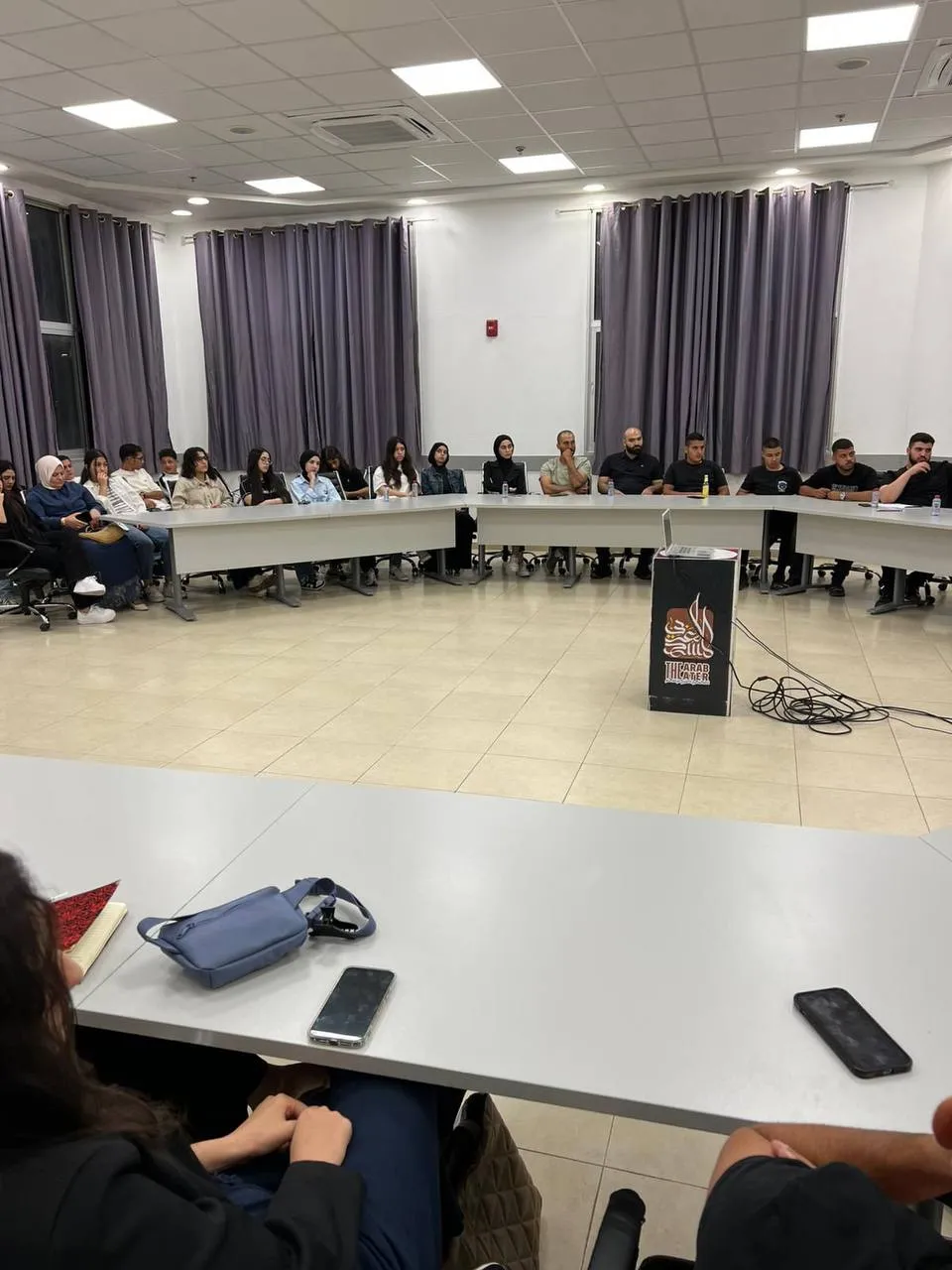
Alongside advocacy and documentation, the Center organises "Know Your Rights" seminars and sessions addressing rights during arrest and interrogation and ways of accessing legal aid. These meetings draw on lawyers and released prisoners to explain procedures and link legal information to first-hand experiences.
The Center continues its work related to prisoners' cases by following court dates, providing information to journalists, and conveying the testimonies of prisoners and families. It aims to provide data-based coverage that clarifies the human rights dimensions of the cases, while respecting the confidentiality of the files and the consent of those concerned to publication.
The Center ties the development of its work to its ability to ensure regular follow-up, raise the competence of participating lawyers, improve case documentation and make legal knowledge accessible. Its launch in August 2025 marks a step towards institutionalising the expertise that began with the Karama Movement and building a specialised human rights reference for prisoners, detainees and their families.